
What is credit Report
A credit report helps you understand how your credit accounts have been managed over time. Lenders may review this information when assessing applications for loans or credit cards.
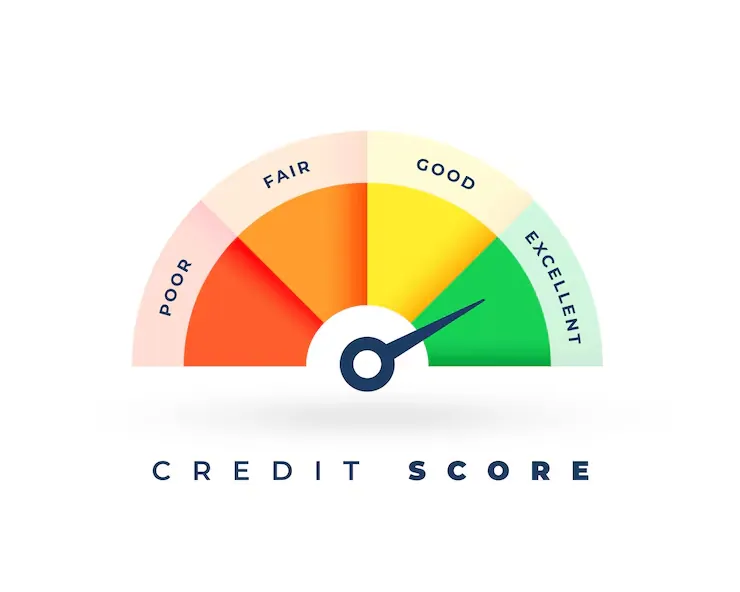
TL;DR
A credit report is a detailed record of your credit history. It can include personal information, loans, credit cards, repayment history, outstanding balances, account status, and credit enquiries. Reviewing your credit report regularly can help you understand your credit profile and identify errors or unfamiliar activity.
Key Takeaways
- A credit report contains detailed information about your credit history.
- It can include active and closed loans and credit cards.
- Payment history is an important part of your credit information.
- Credit enquiries may be recorded when lenders request your credit information.
- A credit report is different from a credit score.
- Checking your report can help identify errors or unfamiliar activity.
- Lenders may consider credit information along with other financial details when assessing applications.
- BestScore can help you monitor your credit profile.
A credit report is a detailed record of your credit history. It contains information about your loans, credit cards, repayment behaviour, credit enquiries, and other details reported by banks and financial institutions.
A credit report helps you understand how your credit accounts have been managed over time. Lenders may review this information when assessing applications for loans or credit cards.
What Does a Credit Report Contain?
A credit report contains several types of information related to your credit history and identity.
Personal Information
Your credit report may contain identifying information such as:
- Name
- Date of birth
- PAN and other identification details
- Address
- Contact information
Credit Accounts
Your report can contain information about your loans and credit cards, including:
- Loan or credit card type
- Name of the lender
- Account opening date
- Credit limit or sanctioned loan amount
- Current outstanding balance
- Account status
- Repayment information
It may include both active and closed credit accounts.
Payment History
Payment history shows how you have managed your credit obligations.
It can indicate whether payments were made on time, delayed, missed, or remained unpaid. Consistently making payments on time can help maintain a healthy credit profile.
Credit Enquiries
A credit enquiry is recorded when a lender or financial institution requests your credit information.
For example, applying for a personal loan or credit card can result in a lender checking your credit report.
What Is the Difference Between a Credit Report and a Credit Score?
A credit report is the detailed record of your credit history, while a credit score is a numerical summary derived from information in your credit history.
| Credit Report | Credit Score |
|---|---|
| Detailed credit history | Three-digit numerical value |
| Contains account information | Summarises your credit profile |
| Shows loans and credit cards | Represents your creditworthiness numerically |
| Includes payment history | Calculated using credit history information |
| Shows credit enquiries | Can change as your credit information changes |
In India, CIBIL scores range from 300 to 900.
Why Is a Credit Report Important?
Your credit report gives you a detailed view of your credit profile and can help you understand the information that lenders may review during a credit application.
Understand Your Credit History
Reviewing your report helps you see your existing and previous loans, credit cards, balances, and repayment information.
Identify Errors
Checking your report can help you identify inaccurate information, such as an incorrect account, balance, payment status, or personal detail.
Detect Unfamiliar Credit Activity
An account or credit enquiry that you do not recognise could indicate an error or potentially unauthorised activity.
Track Your Credit Health
Regularly reviewing your credit report can help you understand how your borrowing and repayment behaviour is reflected in your credit profile.
How Does a Credit Report Affect Loan Applications?
When you apply for a loan or credit card, lenders may access your credit information as part of their assessment.
They may review:
- Existing loans and credit cards
- Repayment history
- Outstanding balances
- Credit utilisation
- Recent credit enquiries
- Account status
A lender’s final decision can also depend on factors such as income, existing obligations, and its internal credit policies.
How Often Should You Check Your Credit Report?
Checking your credit report regularly can help you stay aware of changes to your credit profile and identify inaccuracies.
When reviewing your report, look for:
- Accounts you do not recognise
- Incorrect outstanding balances
- Incorrect payment information
- Incorrect personal details
- Unexpected credit enquiries
- Incorrect account status
What Should You Do If You Find an Error?
If you find incorrect information in your credit report, review the details and raise a dispute with the relevant credit bureau and, where appropriate, the lender that supplied the information.
Keep relevant supporting documents available when submitting a dispute.
Does Checking Your Own Credit Report Affect Your Credit Score?
Checking your own credit report is different from a lender making a credit enquiry while evaluating a credit application.
A personal check is generally treated differently from a lender’s hard enquiry.
How Can You Maintain a Healthy Credit Profile?
You can support a healthy credit profile by developing consistent credit habits.
Pay EMIs and Credit Card Bills on Time
Make payments before the due date and avoid missed or late payments.
Manage Credit Utilisation
Keep your credit card balances under control relative to your available credit limit.
Avoid Unnecessary Credit Applications
Apply for new loans or credit cards when they are genuinely required.
Review Your Credit Report Regularly
Check your report for errors, unfamiliar accounts, and unexpected enquiries.
Keep Your Credit Information Accurate
Make sure your personal information and account details are correctly reported.
How BestScore Can Help
BestScore can help users monitor their credit score and understand important information in their credit profile.
Regularly reviewing your credit information can help you stay aware of your loans, credit cards, repayment behaviour, and changes in your credit profile.
Sources & References
- TransUnion CIBIL — Credit Score and Credit Report
- Experian India — Credit Reports and Credit Scores
- Reserve Bank of India (RBI) — Consumer Awareness and Credit Information
Frequently asked questions
What is a credit report?
A credit report is a detailed record of your borrowing and repayment history, including information about loans, credit cards, payment history, and credit enquiries.
What is the difference between a credit report and a credit score?
A credit report contains detailed information about your credit history, while a credit score is a numerical summary based on information in your credit history.
What information is included in a credit report?
A credit report may include personal details, loan and credit card accounts, outstanding balances, repayment history, account status, and credit enquiries.
Does checking my credit report reduce my credit score?
Checking your own credit report is generally different from a lender’s hard credit enquiry and does not normally have the same effect on your credit profile.
How often should I check my credit report?
Regularly reviewing your credit report can help you identify inaccurate information, unfamiliar accounts, and unexpected credit enquiries.
Related BestScore resources
Related articles
View all guides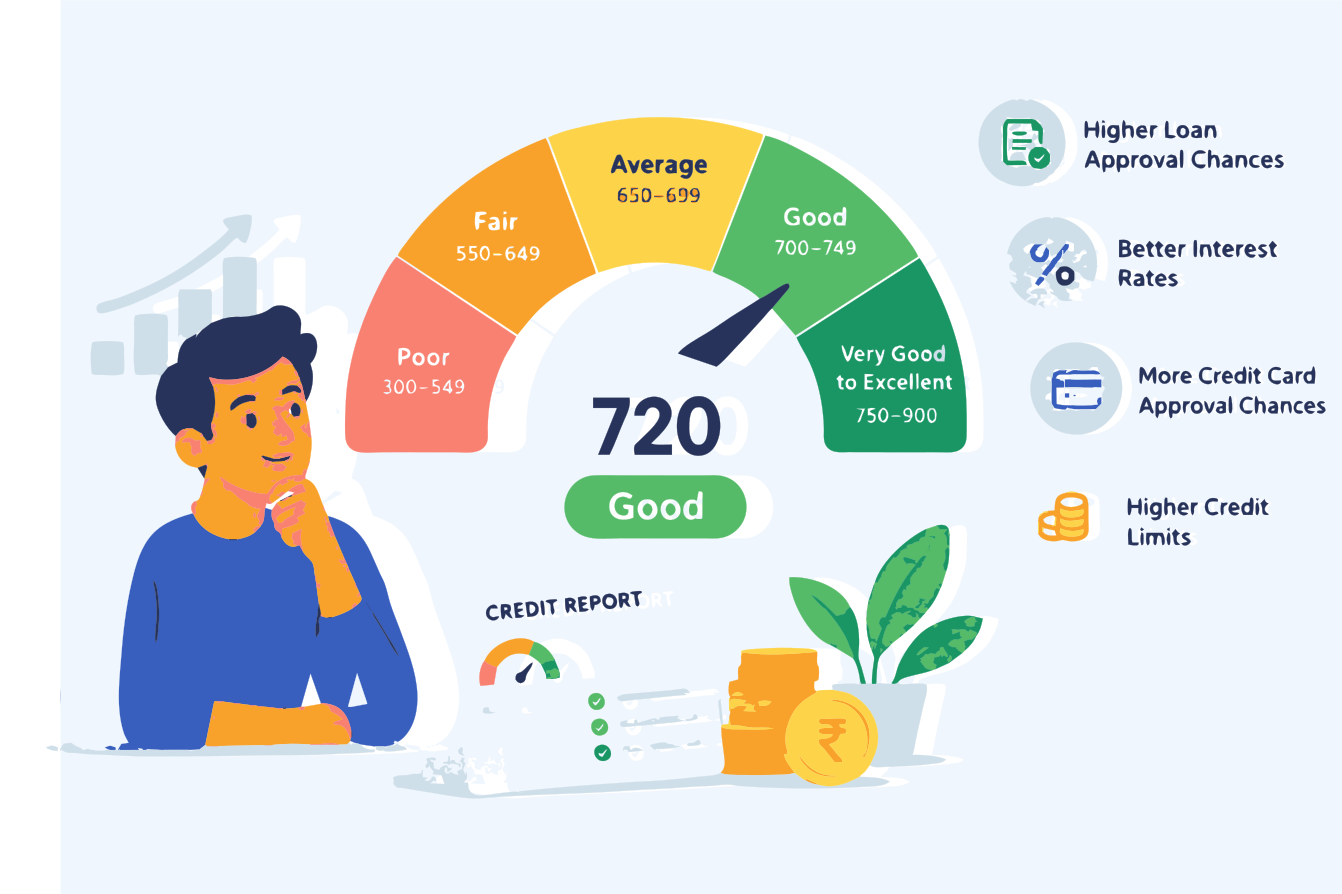
What Is a Good Credit Score?
A good credit score can improve your chances of loan and credit card approval and help you access better interest rates. Learn what credit score range is considered good and how you can improve your score.
Read Guide: What Is a Good Credit Score?